Spring Startup Checklist for Lawn Equipment: 10 Easy Steps
Spring is the perfect time to get your lawn equipment back in action. This spring startup checklist walks you through the essential maintenance steps— from inspecting for winter damage to changing oil, sharpening blades, and checking fuel systems—so your equipment starts easily, runs smoothly, and lasts longer all season. A little preparation now can help you avoid costly repairs and keep your lawn looking its best. This post contains affiliate links for your convenience. We may earn a small commission off of purchases at no additional charge to you.
SMALL ENGINE MAINTENANCETHIS POST CONTAINS AFFILIATE LINKS
2/17/20262 min read

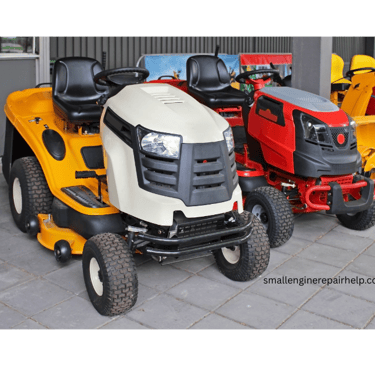
Spring is nearly here, and that means it’s time to wake your lawn equipment up from winter storage. A little prep now can save you from breakdowns, poor performance, and costly repairs later. Use this simple spring startup checklist to make sure your lawn equipment is ready to work as hard as you do this season.
1. Inspect for Damage
Before starting anything, do a quick visual inspection. Look for cracked hoses, frayed belts, loose bolts, or signs of rodents that may have chewed wires during the winter.
2. Change or Check the Oil
Old oil can contain moisture and debris that harm your engine.
Drain and replace the oil if it wasn’t changed before storage. Buy oil pan here:
Check oil levels and top off as needed
Use the manufacturer-recommended oil type
3. Replace or Clean the Air Filter
A dirty air filter reduces performance and fuel efficiency.
Replace paper filters
Replace foam filters if applicable
4. Check the Spark Plug
Spark plugs wear out over time and can prevent easy starts.
Remove and inspect for corrosion or buildup. Find a spark plug wrench here:
Clean or replace if necessary
Ensure the plug gap is correct
5. Inspect and Sharpen Blades
Dull blades tear grass instead of cutting it cleanly.
Remove mower blades and sharpen them
Replace blades that are bent or cracked
Reinstall securely and balance properly
6. Examine Fuel System
Fuel issues are one of the most common spring problems.
Drain old fuel if it wasn’t stabilized
Refill with fresh ethanol-free gas. Buy canned gas here:
Check fuel lines and filters for cracks or leaks
7. Test the Battery (If Applicable)
For riding mowers or electric-start equipment:
Recharge or replace the battery. Buy a tester here:
Clean battery terminals
Ensure cables are tight and corrosion-free
8. Lubricate Moving Parts
Reduce wear and extend equipment life.
Grease fittings, wheels, and pivot points. Buy a grease gun here:
Lubricate cables and control levers if needed
9. Check Tires and Belts
Inflate tires to the recommended pressure
Inspect belts for cracks or glazing and replace if worn
10. Start and Test Run
Once everything checks out:
Start the equipment
Listen for unusual noises
Test controls and safety features
Final Tip
If your equipment doesn’t start easily, runs rough, or hasn’t been serviced in a while, a professional tune-up can help ensure a smooth and productive season.
A little spring maintenance goes a long way—your lawn (and your wallet) will thank you!