Snow Blower Won't Start? Step-By-Step Repair Guide
Snow blower won’t start? This step-by-step repair guide shows how to diagnose bad fuel, dirty carburetors, spark plug issues, and ignition problems so you can fix your snow blower fast and get back to clearing snow.
THIS POST CONTAINS AFFILIATE LINKSCARBURETOR CLEANING
1/11/20263 min read
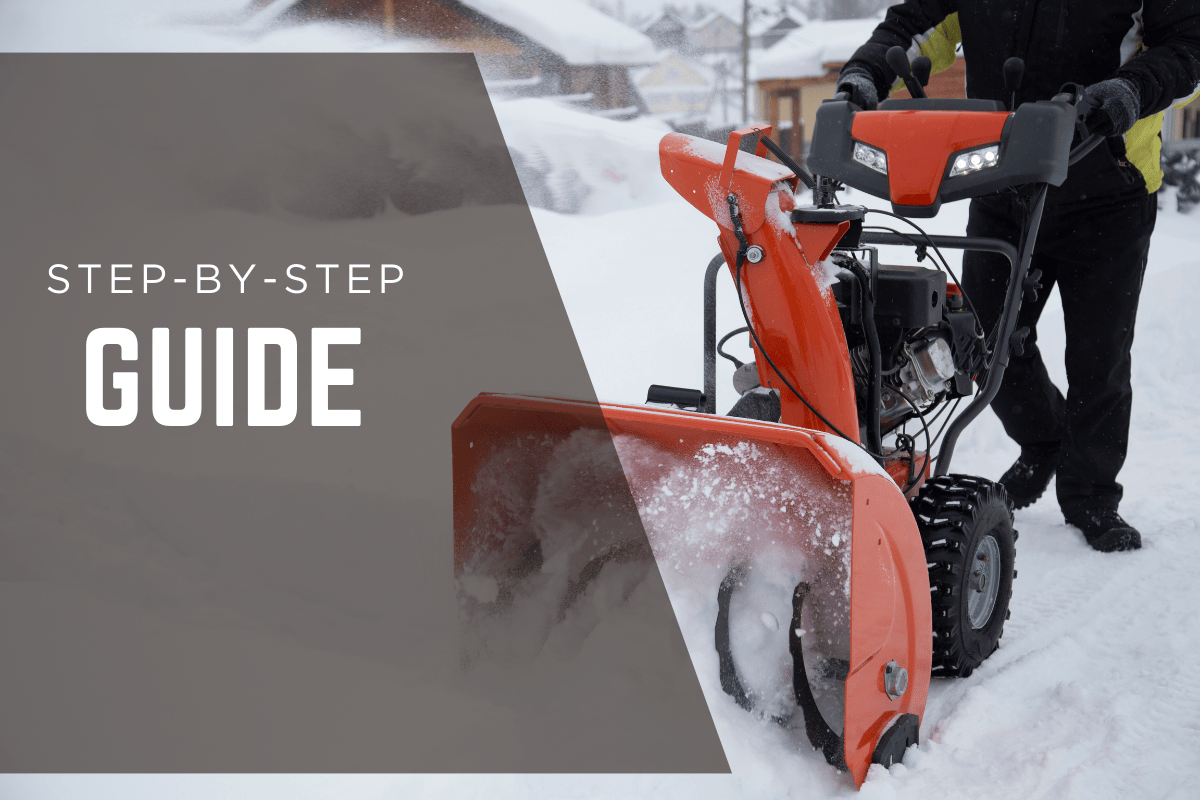
If your snow blower won’t start, you’re not alone. This is one of the most common small engine repair issues—especially after long storage or during the first snowfall of the season. The good news? Most snow blower starting problems are easy to diagnose and fix at home with basic tools.
This step-by-step snow blower repair guide will walk you through the most common causes and solutions so you can get your machine running again fast.
Amazon links to useful tools have been added for your convenience. Follow the link to shop. I may earn a small commission from purchases at no additional cost to you.
Common Reasons a Snow Blower Won’t Start
Before diving into repairs, it helps to understand what usually goes wrong. Most snow blower problems fall into one of these categories:
Old or bad fuel
Dirty carburetor
Faulty spark plug
Fuel delivery issues
Ignition or safety switch problems
Let’s go step by step, starting with the easiest fixes.
Step 1: Check the Fuel (Most Common Cause)
Old gasoline is the #1 reason a snow blower won’t start.
What to Look For
Fuel older than 30–60 days
Gas that smells sour or looks dark
Fuel left in the tank over the summer
How to Fix It
Turn off the fuel valve (if equipped)
Drain the old gas from the tank and carburetor bowl - with this oil pan.
Refill with fresh ethanol-free gasoline. Here's a link to canned 4-cycle gas. Or buy 2-cycle gas here. Check your manual to see which gas is required in your snowblower.
Add fuel stabilizer to prevent future problems
💡 Pro Tip: Always use ethanol-free fuel if possible. Ethanol attracts moisture and clogs carburetors. This is called recreational fuel and is available at most gas stations or you can buy canned gas.
Step 2: Inspect and Replace the Spark Plug
A bad spark plug can prevent your snow blower from firing at all.
Symptoms of a Bad Spark Plug
Engine cranks but won’t start
No ignition sound
Plug looks black, wet, or worn
How to Fix It
Remove the spark plug wire
Use a spark plug socket to remove the plug
Inspect for carbon buildup or damage
Replace with the correct spark plug (check your manual)
Reattach the spark plug wire firmly
This is one of the easiest and cheapest snow blower repairs you can do.
Step 3: Clean the Carburetor
If your snow blower starts and dies or won’t start at all, a dirty carburetor is likely the issue.
Why Carburetors Get Clogged
Old fuel dries inside the carb
Ethanol leaves varnish residue
Storage without draining fuel
How to Clean a Snow Blower Carburetor
Turn off the fuel valve or clamp the fuel line
Remove the air filter housing
Take off the carburetor bowl
Spray carburetor cleaner into all jets and passages
Clean the bowl thoroughly
Reassemble and turn the fuel back on
If the carburetor is heavily corroded, replacement may be the best option.
Step 4: Check the Choke and Primer
Improper choke or primer operation can stop cold engines from starting.
What to Check
Choke fully closed during cold starts
Primer bulb not cracked or leaking
Primer actually pushing fuel
Primer hose not cracked or broken
How to Fix It
Set choke to FULL before starting
Press primer 2–3 times (check manufacturer specs)
Replace cracked primer bulbs or hoses
Many snow blower won’t start issues are simply due to incorrect starting procedure.
Step 5: Inspect the Fuel Line and Fuel Valve
Fuel must reach the carburetor for the engine to run.
Symptoms of Fuel Flow Problems
Engine won’t fire at all
Carburetor bowl is dry
Fuel leaks
How to Fix It
Check fuel lines for cracks or clogs
Replace brittle or leaking lines
Make sure fuel shut-off valve is open
Verify fuel filter (if equipped) isn’t clogged
Step 6: Test for Spark (Ignition System)
If you’ve checked fuel and the engine still won’t start, test for spark.
How to Check Spark
Remove spark plug
Reconnect it to the plug wire
Ground the plug against engine metal or use a coil tester
Pull the starter cord
Results
Bright blue spark: ignition is good
No spark: possible coil, kill switch, or wiring issue
Ignition coil failures are less common but do happen in older snow blowers.
Step 7: Check Safety Switches and Controls
Modern snow blowers have safety features that prevent starting.
Common Problem Areas
Ignition key missing or damaged
Safety lever not fully engaged
Faulty kill switch wiring
Make sure everything is in the correct starting position before assuming a major repair is needed.
Step 8: Perform a Compression Test (Advanced)
If nothing else works, the engine may have internal damage. Get a compression tester here.
Signs of Low Compression
Starter cord pulls too easily
Engine never tries to fire
Loud air hissing sounds
Low compression can be caused by:
Worn piston rings
Stuck valves
Cylinder damage
Blown head gasket
At this point, professional small engine repair may be required.
Prevent Future Snow Blower Starting Problems
Preventative maintenance saves time and money.
Snow Blower Maintenance Tips
Drain fuel or add stabilizer before storage
Run engine dry at end of season
Clean carburetor as needed
Replace spark plug every season
Store in a dry location
When to Repair vs Replace a Snow Blower
Consider replacement if:
Engine has low compression
Repair costs exceed machine value
Parts are unavailable
Most starting issues, however, are cheap and easy DIY repairs.
Final Thoughts
If your snow blower won’t start, don’t panic. In most cases, the problem is bad fuel, a dirty carburetor, or a worn spark plug. By following this step-by-step snow blower repair guide, you can diagnose and fix the issue without an expensive shop visit.
🔧 Need more help? Check out our other small engine repair guides for lawn mowers, pressure washers, and outdoor power equipment.