Small Engine Repair: Common Problems and How to Fix Them
Dive into clear, step-by-step guides and expert tips that help you troubleshoot and fix your small engines efficiently, saving time and money.
THIS POST CONTAINS AFFILIATE LINKS
10/8/20253 min read
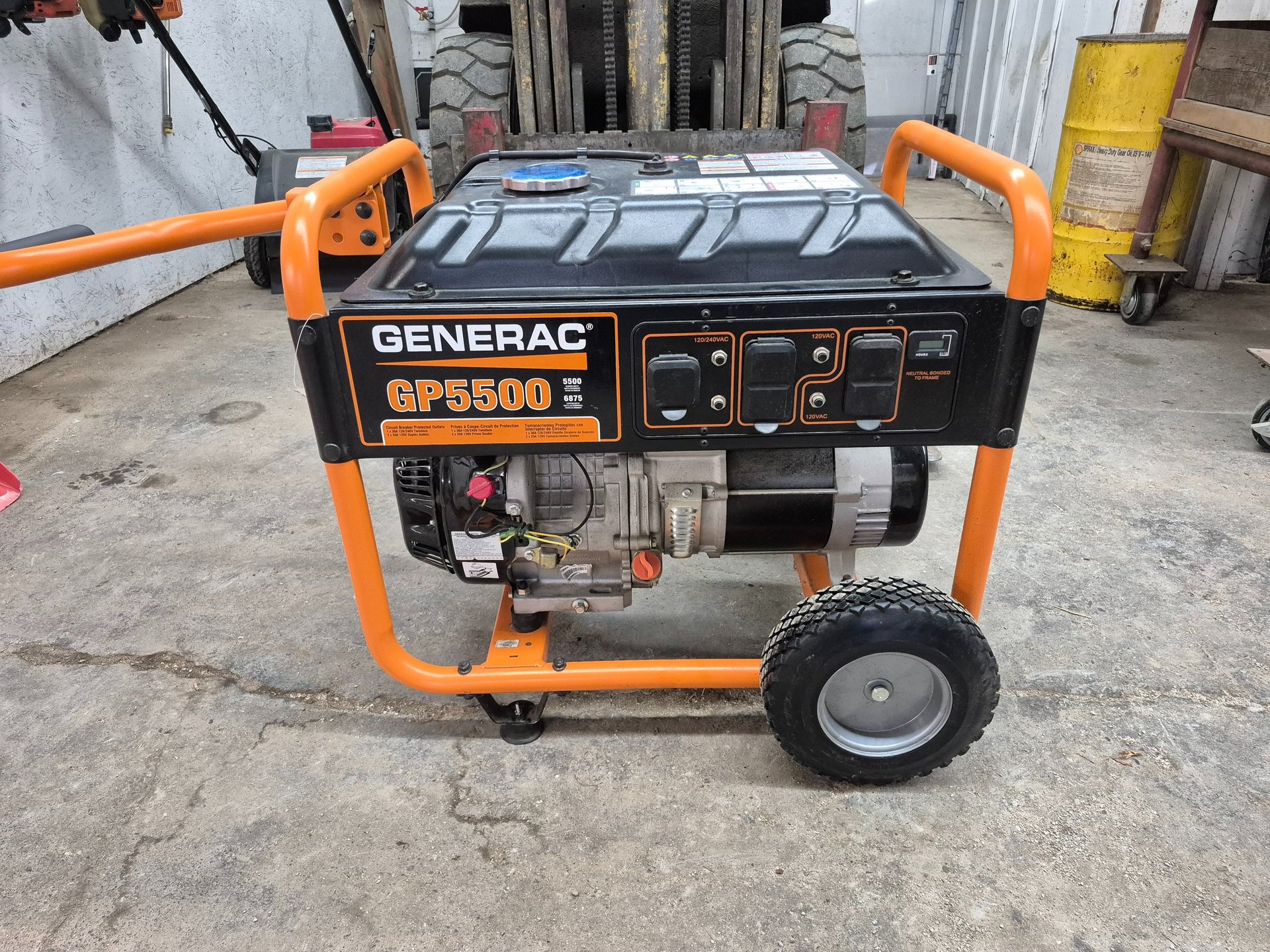
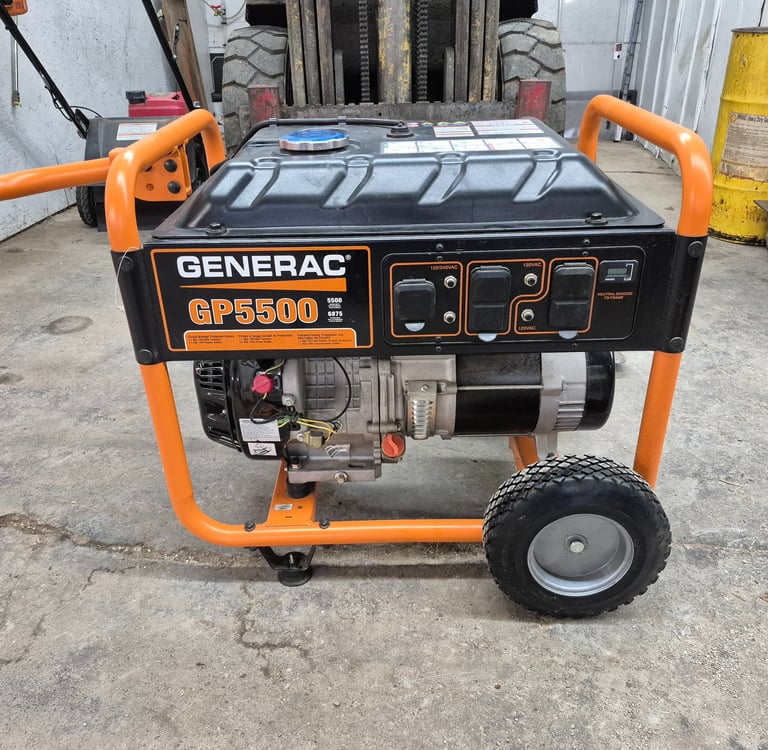
Small engines power much of the equipment we rely on every day, from lawn mowers and generators to pressure washers, golf carts, and UTVs. When these engines fail, the cause is often simple and inexpensive to fix. Understanding common small engine problems can save you time, money, and frustration. This guide covers the most frequent small engine repair issues and explains how to diagnose and fix them correctly.
Tools are linked throughout the blog for your convenience. I may earn a small commission on the featured links. You will not be charged extra for using the links.
How Small Engines Work (Quick Overview)
Every small engine needs three basic things to run:
Fuel
Spark
Compression
If any one of these is missing or weak, the engine will not start or run properly. Most small engine problems can be traced back to one of these systems.
1. Small Engine Won’t Start
Common Causes:
Old or contaminated fuel
Dirty carburetor
Fouled spark plug
Clogged air filter
Ignition coil failure
How to Fix It
Start with the basics. Drain old fuel and replace it with fresh gasoline. Check the spark plug and replace it if it’s dirty, worn, or oil-soaked. Inspect the air filter and clean or replace it as needed.
If the engine still won’t start, the carburetor is often the culprit. Ethanol fuel leaves varnish deposits that clog jets and fuel passages. Cleaning the carburetor thoroughly usually restores normal operation.
2. Engine Starts Then Dies
Common Causes:
Dirty carburetor
Restricted fuel flow
Blocked fuel cap vent
How to Fix It
If the engine starts briefly and then stalls, fuel delivery is usually the issue. Remove and clean the carburetor, paying close attention to the main jet and idle circuit. Check the fuel line for cracks or blockages.
Also inspect the fuel cap. A clogged vent can create a vacuum in the fuel tank, starving the engine of fuel. Try loosening the cap to see if the problem improves.
3. Engine Runs Rough or Surges
Common Causes:
Lean fuel mixture
Air leaks
Dirty carburetor
Partially clogged jet
How to Fix It
Surging or uneven running is a classic sign of carburetor problems. Clean the carburetor thoroughly and replace gaskets if needed. Inspect intake boots and gaskets for air leaks, which can cause a lean condition.
On adjustable carburetors, fine-tuning the mixture screws with these screwdrivers can help smooth out engine operation.
4. Lack of Power or Engine Bogging Down
Common Causes:
Dirty air filter
Fuel flow restriction
Worn spark plug
Low engine compression
How to Fix It
A clogged air filter restricts airflow and reduces power. Replace it if it’s dirty. Check the fuel system for restrictions, including the fuel filter and fuel lines.
If the engine still lacks power, perform a compression test. Low compression may indicate worn piston rings or valves, which require more advanced small engine repair.
5. No Spark from the Ignition System
Common Causes:
Faulty ignition coil
Kill switch or wiring issue
Incorrect coil air gap
How to Fix It
Remove the spark plug and test for spark. If there’s no spark, disconnect the kill wire from the ignition coil and test again. If spark returns, the problem is in the wiring or safety switch system.
If there is still no spark, the ignition coil may be faulty. Replace the coil and set the correct air gap according to manufacturer specifications.
6. Fuel Leaking from the Carburetor
Common Causes:
Stuck float
Worn needle valve
Damaged float bowl gasket
How to Fix It
Fuel leaks usually indicate a float or needle problem inside the carburetor. Disassemble the carburetor and inspect the float for damage or fuel inside it. Replace the needle valve and gasket if necessary.
Cleaning and rebuilding the carburetor often resolves fuel leakage issues.
7. Excessive Smoke from the Exhaust
Common Causes:
Overfilled crankcase
Incorrect oil type
Worn piston rings
How to Fix It
Check the oil level and drain excess oil if overfilled. Always use the manufacturer-recommended oil type.
If blue or white smoke continues, the engine may have internal wear. While this is less common, it may indicate worn rings or valve seals.
Preventing Future Small Engine Problems
Routine maintenance is the key to avoiding frequent repairs.
Maintenance Tips
Use fresh fuel and avoid storing ethanol gas
Add fuel stabilizer before long-term storage
Change oil regularly
Clean or replace air filters
Run the engine periodically during storage
These simple steps can significantly extend engine life and reduce the need for major repairs.
When to Repair vs Replace a Small Engine
Small engine repair is usually cost-effective, especially for fuel, ignition, and carburetor issues. However, engines with severe internal damage or extremely low compression may not be worth repairing.
If repair costs exceed 50% of replacement value, replacement may be the better option.
Final Thoughts
Most small engine repair problems are caused by fuel system issues, neglected maintenance, or simple wear items. By understanding how small engines work and knowing what to check first, you can fix many issues yourself and keep your equipment running reliably.
Whether you’re troubleshooting a lawn mower, generator, or outdoor power equipment, proper diagnostics and routine maintenance will save you time and money in the long run.