Small Engine Maintenance Checklist for Year-Round Performance
Learn how to keep your equipment running smoothly with this small engines maintenance checklist for year-round performance. This guide covers oil changes, air filters, spark plugs, fuel system care, carburetor cleaning, and seasonal storage tips to prevent breakdowns and extend engine life.
1/22/20263 min read
Small Engines Maintenance Checklist for Year-Round Performance
Proper small engine maintenance is the key to reliable performance, longer equipment life, and fewer costly repairs. Whether you rely on lawn mowers, snow blowers, generators, chainsaws, or other outdoor power equipment, following a year-round maintenance checklist will keep your small engines running smoothly in every season.
This guide walks you through a complete small engine maintenance checklist, using proven best practices to prevent breakdowns and improve performance all year long.
Why Small Engine Maintenance Matters
Small engines work hard in tough conditions—dust, heat, moisture, and long storage periods can all cause problems. Without regular maintenance, common issues like hard starting, rough idling, loss of power, and engine failure become more likely.
Benefits of routine small engine maintenance include:
Improved fuel efficiency
Easier starting
Longer engine lifespan
Fewer unexpected repairs
Better overall performance
Preventive maintenance is always cheaper and easier than major small engine repair.
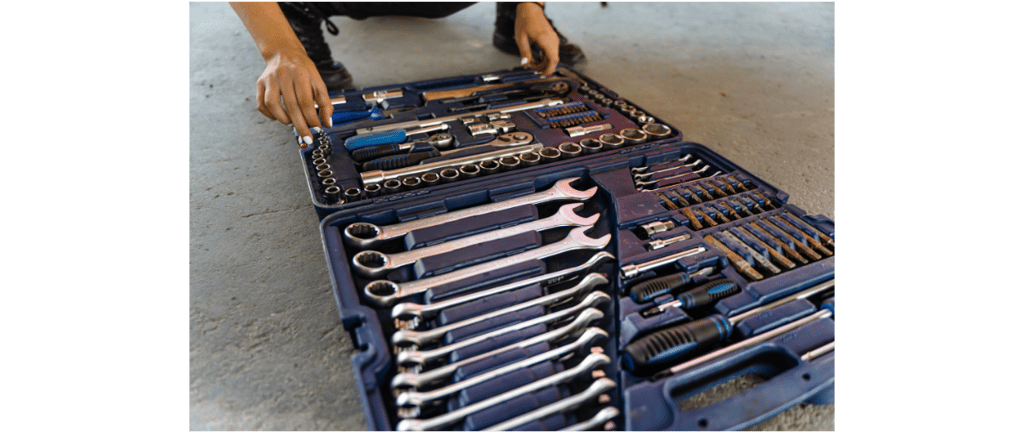
Essential Small Engine Maintenance Tools
Before starting your checklist, gather these basic tools:
Spark plug wrench
Air filter cleaner or replacement
Oil drain pan
Fresh engine oil (manufacturer-recommended)
Fuel stabilizer
Carburetor cleaner
Clean rags
Screwdrivers and socket set
Having the right tools makes maintenance faster and more effective.
Year-Round Small Engine Maintenance Checklist
1. Check and Change Engine Oil
Keywords: small engine oil change, engine maintenance
Engine oil lubricates internal components and prevents overheating. Dirty oil can cause excessive wear and engine damage.
Checklist:
Check oil level before each use
Change oil every 25–50 hours of operation or once per season
Use the oil type recommended by the manufacturer
Tip: Always change oil when the engine is warm so contaminants drain out more easily.
2. Inspect and Replace the Air Filter
Keywords: small engine air filter, engine performance
A clogged air filter restricts airflow, causing poor performance and increased fuel consumption.
Checklist:
Inspect air filter monthly during heavy use
Clean foam filters with warm, soapy water
Replace paper filters when dirty or damaged
A clean air filter helps your small engine run cooler and more efficiently.
3. Maintain the Spark Plug
Keywords: spark plug maintenance, small engine starting problems
Spark plugs ignite the fuel-air mixture. A worn or fouled plug can cause hard starting or misfires.
Checklist:
Inspect spark plug every season
Clean light carbon buildup with a wire brush
Replace spark plugs annually or as recommended
Ensure proper gap setting
A fresh spark plug improves starting and fuel combustion.
4. Use Fresh Fuel and Fuel Stabilizer
Keywords: small engine fuel system, ethanol fuel problems
Old or ethanol-blended fuel is one of the leading causes of small engine problems.
Checklist:
Use fresh fuel (no older than 30 days)
Add fuel stabilizer for storage or seasonal equipment
Avoid leaving fuel in the tank during long storage
Fuel stabilizer helps prevent varnish buildup and carburetor clogs.
5. Clean the Carburetor
Keywords: carburetor cleaning, small engine repair
The carburetor mixes air and fuel. Dirt or old fuel residue can cause rough running or stalling.
Checklist:
Look for signs of surging or poor throttle response
Clean external dirt and debris
Use carburetor cleaner for internal buildup
Rebuild or replace if problems persist
Regular carburetor maintenance prevents many common engine failures.
6. Inspect Fuel Lines and Fuel Filter
Keywords: fuel line replacement, small engine fuel filter
Cracked fuel lines and clogged filters restrict fuel flow.
Checklist:
Check fuel lines for cracks or leaks
Replace brittle or damaged lines
Inspect and replace fuel filters annually
Fuel system inspections improve reliability and safety.
7. Check Cooling Fins and Engine Shroud
Keywords: small engine overheating, engine cooling
Small engines rely on air cooling. Debris buildup can cause overheating.
Checklist:
Remove grass, dirt, and debris from cooling fins
Inspect engine shroud for blockages
Clean regularly during mowing or heavy use seasons
Keeping airflow clear prevents engine overheating and damage.
8. Inspect Belts, Blades, and Moving Parts
Keywords: outdoor power equipment maintenance
Worn belts and dull blades reduce performance and strain the engine.
Checklist:
Inspect belts for cracks or glazing
Sharpen or replace mower blades
Lubricate moving parts where applicable
Properly maintained components reduce engine load and improve efficiency.
Seasonal Small Engine Maintenance Tips
Spring & Summer Maintenance
Perform a full inspection before heavy use
Replace air filters and spark plugs
Clean cooling fins regularly
Check tire pressure and controls
Fall Maintenance
Clean equipment thoroughly
Change oil before storage
Add fuel stabilizer
Winter Storage Preparation
Keywords: small engine storage tips
Drain fuel or stabilize it
Remove spark plug and add a few drops of oil to the cylinder
Store equipment in a dry, covered area
Disconnect batteries if equipped
Proper storage prevents corrosion and fuel system issues.
Common Small Engine Maintenance Mistakes to Avoid
Using old or contaminated fuel
Skipping oil changes
Ignoring air filter maintenance
Storing equipment with untreated fuel
Overlooking small issues until they become major repairs
Avoiding these mistakes saves time, money, and frustration.
Final Thoughts: Keep Your Small Engines Running Strong
Following a consistent small engines maintenance checklist for year-round performance ensures your equipment is always ready when you need it. From routine oil changes to fuel system care, preventive maintenance is the best way to avoid breakdowns and extend engine life.
Whether you’re a homeowner or a professional, investing time in regular small engine maintenance will pay off in reliable starts, smoother operation, and fewer repairs throughout the year.