No Spark on Your Snowblower? Here’s a Step-by-Step Guide on How to Fix It
Struggling with a snowblower that won’t start? If your snowblower has no spark, this step-by-step repair guide walks you through how to diagnose and fix common ignition problems in 8 easy steps. Learn how to check the spark plug, ignition coil, kill switch, and wiring to get your snowblower running again fast. Perfect for DIYers and small engine repair beginners looking to save time and money this winter.
1/29/20263 min read
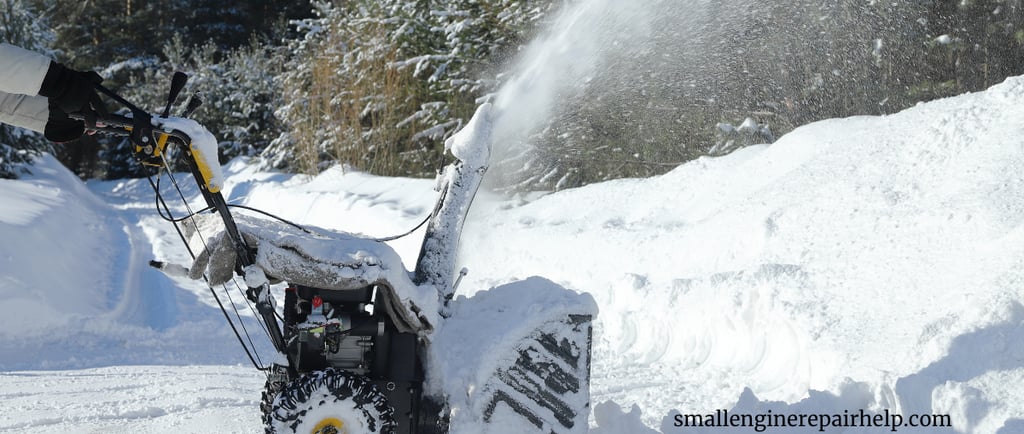
If your snowblower won’t start and you’re left staring at a pile of fresh snow, the problem may be no spark. A snowblower without spark cannot ignite fuel, which means no start—no matter how many times you pull the recoil.
The good news? Most snowblower ignition problems are easy to diagnose and fix, even if you’re not a professional mechanic.
In this step-by-step guide, we’ll walk through how to fix no spark on a snowblower, the most common causes, and how to get your machine running again fast.
Common Signs of No Spark on a Snowblower
Before diving into repairs, confirm you’re actually dealing with a spark issue. Common symptoms include:
Snowblower won’t start at all
Engine cranks but won’t fire
Spark plug looks wet after cranking
No visible spark when testing the spark plug
Snowblower ran fine previously, then suddenly stopped
If these sound familiar, let’s get into the fix.
Tools You’ll Need
New spark plug (manufacturer-recommended)
Inline spark tester (optional but helpful)
Multimeter (for advanced testing)
Step 1: Check the Spark Plug (Most Common Fix)
The spark plug is the #1 cause of no spark on a snowblower.
What to Do:
Remove the spark plug wire
Remove the spark plug
Inspect it closely
Look for:
Heavy carbon buildup
Oil fouling
Cracked porcelain
Worn or burned electrode
If the spark plug looks dirty or damaged, replace it—don’t clean it. Spark plugs are inexpensive and often solve the problem immediately.
Step 2: Test for Spark
Before replacing other parts, confirm whether spark is present.
How to Test:
Reconnect the spark plug to the plug wire
Hold the metal threads against bare engine metal
Pull the starter rope
⚠️ Safety Tip: Wear gloves and keep fingers away from the plug electrode.
Results:
Blue spark: Ignition is working
No spark or weak spark: Continue troubleshooting
An inline spark tester makes this step easier and safer.
Step 3: Inspect the Ignition (Kill) Switch
Many snowblowers won’t spark if the kill switch is stuck in the OFF position.
Check:
Ignition key (fully inserted and not damaged)
Toggle or rocker switches (if equipped)
Safety switches on newer models
Try removing the ignition key and reinserting it firmly.
A worn or broken ignition key can silently prevent spark.
Step 4: Check the Spark Plug Wire
A damaged spark plug wire can stop spark from reaching the plug.
Inspect for:
Cracks or cuts
Loose connection at the coil
Corrosion at the plug boot
If the wire feels brittle or loose, replace it or reseat it firmly on the ignition coil.
Step 5: Disconnect the Kill Wire (Critical Test)
The kill wire grounds the ignition coil to shut the engine off. If it’s damaged or shorted, it can permanently kill spark.
How to Test:
Locate the small wire connected to the ignition coil
Disconnect it
Test for spark again
⚠️ Important: Do NOT run the engine long with the kill wire disconnected—it won’t shut off normally.
If spark returns after disconnecting the kill wire, the issue is with:
Ignition switch
Wiring harness
Safety switch
Step 6: Check the Ignition Coil (Magneto)
If you still have no spark, the ignition coil may be faulty.
Signs of a Bad Ignition Coil:
No spark even with kill wire disconnected
Snowblower died suddenly while running
Visible cracks or burn marks on the coil
Air Gap Check:
The ignition coil must be properly spaced from the flywheel.
Typical gap: 0.010–0.014 inches
Use a business card or feeler gauge
Loosen coil bolts, set gap at magnet, making sure magnet is centered between the armatures, retighten
If the coil fails testing or spark never returns, replacement is required.
Step 7: Inspect the Flywheel Key (Less Common but Important)
A sheared flywheel key can throw off ignition timing, causing no spark or weak spark.
Symptoms:
Snowblower backfires
Engine stopped suddenly after hitting an object
Pull cord jerks violently
This repair requires removing the flywheel, so it’s more advanced—but still DIY-friendly if you’re comfortable with tools.
Pro shortcut: remove flywheel nut and washer. Looking down on the keyway, verify that it is perfectly aligned between flywheel and crankshaft keyways. If it is, the key is not the problem. Continue troubleshooting.
Step 8: Try a Known-Good Spark Plug
Even brand-new spark plugs can be defective.
Before calling it quits:
Install a second new spark plug
Retest for spark
This simple step has saved many unnecessary ignition coil replacements.
Preventing Future No-Spark Issues
Keep your snowblower reliable all winter by following these tips:
Replace the spark plug annually
Store with ethanol-free fuel or fuel stabilizer
Keep moisture out of ignition components
Inspect wiring before winter storms, especially for rodent damage
Avoid pressure washing near the engine
When to Seek Professional Snowblower Repair
If you’ve tested:
Spark plug
Kill switch
Kill wire
Ignition coil
Flywheel key
…and still have no spark, it may be time for professional snowblower repair. Electrical issues can sometimes hide inside wiring harnesses or control modules.
Final Thoughts: No Spark Doesn’t Mean No Hope
A snowblower with no spark can feel like a disaster—especially during a snowstorm—but in most cases, the fix is simple and affordable. By following this step-by-step guide, you can confidently diagnose and repair ignition problems and get back to clearing snow fast.
If this guide helped, bookmark it for winter or share it with someone stuck in the snow!