Essential Tools for Small Engine Repair and Maintenance
Small engine repair and maintenance often requires a range of tools from wrenches, sockets, and ratchets to pliers, and clamps. This post includes basic tools and affiliated links to make acquiring tools for small engine repairs and maintenance a quick and efficient process.
THIS POST CONTAINS AFFILIATE LINKS
1/7/20262 min read
To successfully handle small engine repair and maintenance, having the right tools is just as important as knowing how engines work. Whether you’re repairing lawn mowers, chainsaws, generators, zero-turn mowers, or other outdoor power equipment, a well-equipped toolbox will save time, prevent damage, and make troubleshooting easier. Below are the most commonly needed tools for small engine repair that every beginner and experienced mechanic should have.
Basic Hand Tools
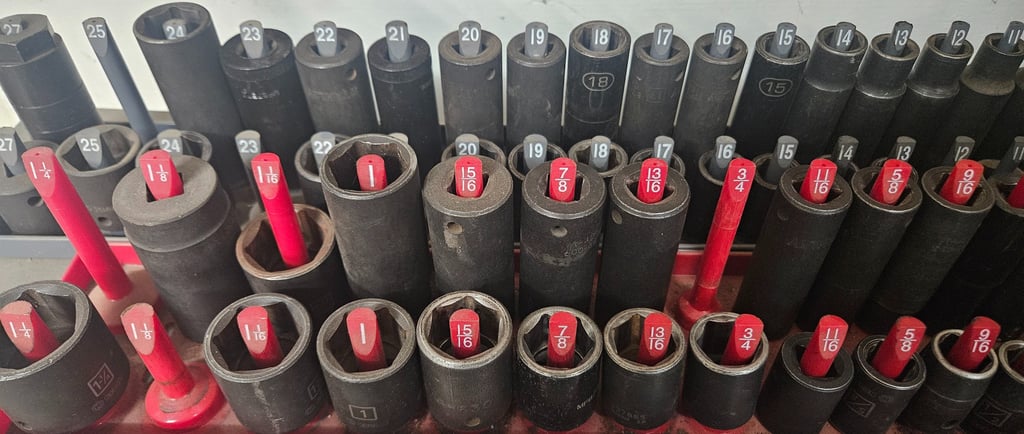
Every small engine repair job starts with quality hand tools. A set of standard and metric wrenches, sockets, and ratchets is essential since many outdoor power equipment manufacturers use different fastener sizes. Screwdrivers—flathead and Phillips—are also a must for removing carburetor screws, air filter covers, and engine shrouds.
Pliers, including needle-nose and locking pliers, help with fuel lines, throttle linkages, and small clips. An adjustable wrench can also be useful for quick adjustments during maintenance tasks.
Spark Plug Tools
Spark plugs are one of the most common service items in small engine maintenance. A dedicated spark plug socket makes removal easy without damaging the plug or cylinder head. A spark tester is another valuable tool, allowing you to quickly diagnose ignition problems and confirm whether the engine is getting spark.
Carburetor Cleaning Tools
Carburetor issues are a top cause of small engine problems. A can of carburetor cleaner, small wire brushes, and compressed air are essential for cleaning clogged jets and passages. Precision screwdrivers are especially helpful when adjusting mixture screws on carburetors used in lawn mowers, trimmers, and generators. Use caution when using brushes- they can damage the carburetor. Wear safety glasses and use caution when working on your equipment.
Fuel System Tools
For fuel-related small engine repair, tools like fuel line clamps, hose cutters, and a siphon pump come in handy. These tools make it safer and cleaner to replace fuel lines, drain old gas, and service fuel filters.
Diagnostic and Specialty Tools
A compression tester is critical for diagnosing engine health and identifying worn rings or valves. A feeler gauge is commonly used to set valve lash and ignition coil air gaps. Torque wrenches ensure bolts are tightened to manufacturer specifications, preventing stripped threads or engine damage.
Safety should never be overlooked. Gloves, safety glasses, and a clean work surface are essential for any small engine repair job. For routine maintenance, tools like oil drain pans, funnels, and grease guns help keep equipment running longer and more efficiently.
Tool Kits
A tool kit is an affordable way to purchase a variety of necessary small engine repair tools at once. I like this kit.
Final Thoughts
Having the proper tools makes small engine repair and maintenance more efficient, accurate, and enjoyable. Whether you’re working on lawn mower repair, outdoor power equipment repair, or small engine troubleshooting, investing in the right tools will pay off in better repairs and longer-lasting equipment. With a solid toolkit and regular maintenance, most small engine problems can be diagnosed and fixed with confidence.